Evaluating Proven Industrial Build Managing Large Ventures
Discover the Essential Services Delivered by a CG Contractor for Your Next Project
In the world of development, a construction firm plays a pivotal role in guaranteeing successful projects. Their support covers extensive project management, cost management, and coordination of various stakeholders. This skill set doesn't just simplify processes but also addresses compliance and standard maintenance - Hickory top rated Commercial General Contractor. Understanding these essential services can notably impact the success of your venture. What specific benefits can a GC bring to upcoming project?
Full Project Control
Detailed project administration is essential for the successful execution of development ventures. It necessitates a organized strategy that encompasses planning, coordination, and control of a project from beginning to end. A GC is critical in this process, guaranteeing that all elements of the job align with the client's vision and compliance mandates.
Successful project oversight means establishing project scopes, timelines, and expected outcomes while keeping lines of communication open among stakeholders. The contractor coordinates subcontractors, manages resources, and oversees quality assurance to make sure the build meets set standards. Furthermore, a detailed project management strategy incorporates risk management methods to recognize risks promptly and develop mitigation plans.
In the end, effective oversight encourages cooperation, simplifies operations, and boosts the probability of delivering a project on time and according to the set parameters, thus increasing client satisfaction and project success.
Financial Planning and Cost Management
Effective project management naturally leads to the need for strict financial planning and cost control measures. A construction manager plays a pivotal role in setting up a defined budget structure for a project. This includes detailed cost estimation based on project specifications, labor, materials, and machinery. By spotting monetary risks promptly, the contractor can put plans into action to address these problems, guaranteeing that the project does not exceed the allocated funds.
Furthermore, regular review of costs throughout the project lifecycle is vital. The firm leverages specific processes to track costs against the budget, facilitating timely changes if required. This meticulous methodology does more than just prevent budget excesses but also strengthens monetary oversight across all involved parties. Crucially, good budgeting and expense control foster a transparent financial environment, allowing for informed decision-making and resource allocation, a factor essential for the successful delivery of all construction work.
Coordination of Subcontractors and Suppliers
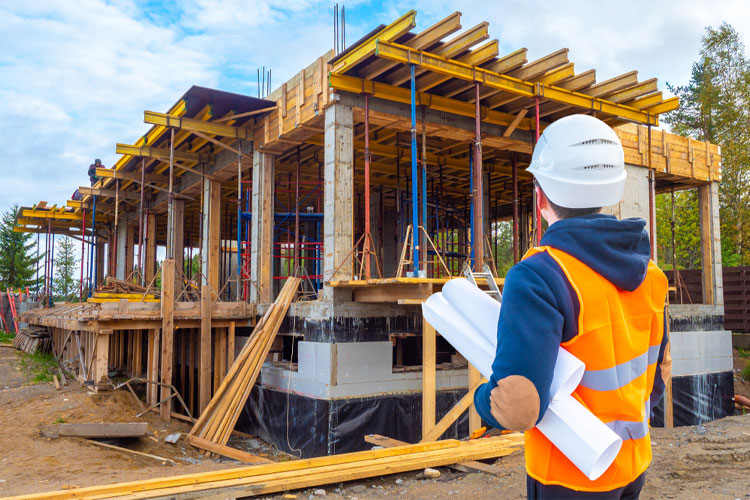
In the course of construction management, managing vendors and subcontractors is essential for maintaining workflow efficiency and adhering to schedules. A commercial general contractor plays a pivotal role in orchestrating these relationships, making sure every party is in sync with the project schedule and deliverables. Clear communication between the general contractor, suppliers, and subcontractors is crucial for reducing delays and prevent costly misunderstandings.
The contractor manages the planning of subcontractor work sequences, thereby streamlining workflow and optimize resource allocation. In addition, the contractor handles sourcing supplies from suppliers, guaranteeing resources are supplied on time and within budget. Through the management of these key relationships, the GC can quickly resolve emerging problems, resulting in a smoother building phase. In the end, this concerted effort not only enhances project efficiency but also is key to the successful outcome of the connected information construction endeavor, making sure all elements integrate smoothly.
Meeting Building Codes and Regulatory Standards
Ensuring compliance with building codes and regulations is a fundamental responsibility of a commercial general contractor, because ignoring these standards may result in major legal and financial penalties. A commercial general contractor needs to have comprehensive knowledge of all relevant governmental regulations that govern building projects. This knowledge allows them to navigate complex legal frameworks, ensuring that all aspects of the project—from design to execution—comply with necessary standards.
Moreover, contractors typically partner with architects, engineers, and regulatory agencies to confirm that specifications and plans meet code standards. By performing frequent checks and evaluations, they can identify potential compliance issues early, reducing risks and preventing expensive holdups. In the end, a firm dedication to following regulations does more than just protect the GC's standing but also protects the interests of clients, guaranteeing successful project completion and free from avoidable issues.
Managing Project Quality and Site Safety
Ensuring quality and managing safety form vital parts of a commercial general contractor's role, that fundamentally influence the integrity and outcome of construction projects. These factors make certain that all work meets established standards
A trusted contractor implements rigorous inspection processes to ensure that materials and workmanship align with project specifications - Hickory top rated Commercial General Contractor. Regular site evaluations take place to locate possible risks and ensure safety compliance among workers. This forward-thinking strategy safeguards staff but also stops costly interruptions and rework caused by safety incidents or quality issues
In addition, effective communication between the contractor, subcontractors, and suppliers is crucial for keeping standards high throughout the project lifecycle. By prioritizing quality assurance and safety oversight, a commercial general contractor fosters a culture of accountability, leading directly to the successful completion of projects on time and within budget
FAQs
What Types of Projects Can a Commercial General Contractor Handle?
A commercial general contractor can undertake many types of projects, including office buildings, retail spaces, warehouses, industrial facilities, renovations, and new constructions. They handle the full scope of work, guaranteeing quality, compliance, and timely completion of each project.
How Should I Select the Right Commercial General Contractor?

To pick the best commercial general contractor, one should assess their background, ask for testimonials, determine fiscal robustness, review past work, and guarantee clear communication. A careful vetting process can lead to successful project outcomes.
What Can I Anticipate During the Initial Consultation?
During the initial consultation, clients can expect discussions about project goals, timelines, budget estimates, and contractor capabilities. This meeting acts as a basis for creating shared comprehension and matching expectations between the client and contractor.
How Do Builders Handle Project Timelines Effectively?
Contractors skillfully control project timelines by employing meticulous plans, defining key checkpoints, synchronizing calendars, and keeping communication flowing with all stakeholders. They also reallocate resources as required to ensure the project finishes on time and minimize potential setbacks.
What Advantages Come From Employing a General Contractor Versus DIY?
Engaging a general contractor delivers professional skill, full oversight of the job, and the availability of a network of experienced tradespeople. This guarantees superior craftsmanship, timely completion, and following building codes, thereby minimizing anxiety and unnecessary expenses compared to doing it yourself.